Mice & Rats

Gnawing Risks: Safeguarding Your Property from Invasive Mice and Rodents, Preventing Costly Damage and Health Hazards.

Common Rodent Species in Toronto

Identifying and Managing Urban Rodent Threats: Safeguarding Homes and Businesses in City Environments

House Mice (Mus musculus)

House mice, small gray-brown rodents, infest urban homes, nesting in walls and kitchens. They reproduce rapidly, contaminating food and spreading disease. They gnaw on utilities and seek indoor warmth year-round, posing health and property risks.
Norway Rats (Rattus norvegicus)

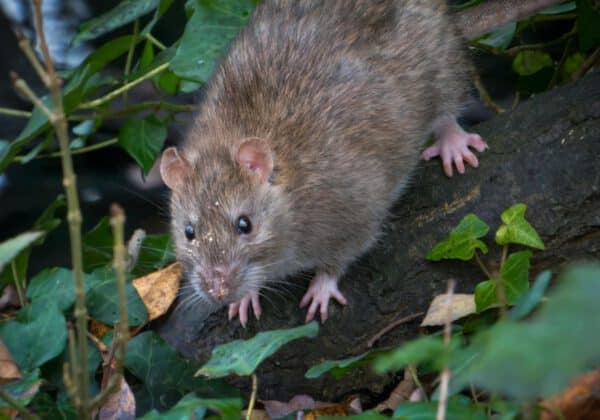
Norway rats are large, burrowing rodents with blunt snouts and scaly tails. They damage structures by gnawing through wood, and utility lines. Highly adaptable, infesting basements, sewers, and garbage areas, spreading diseases. Aggressive and nocturnal, they outcompete smaller rodents for resources.

Signs of Rodent Infestations

The presence of small, dark pellet-like droppings near food or nesting areas, chewed wires, furniture, or packaging indicating gnaw marks, shredded paper, fabric, or disturbed insulation used as nesting materials, and scratching noises in walls or ceilings at night are all clear signs of rodent infestation.

To keep rodents out:
-Seal cracks wider than ¼ inch with steel wool or caulk.
-Store food in airtight containers and clean spills immediately.
-Trim vegetation and remove clutter near buildings.
-Install door sweeps and repair broken vents.

Preventing Rodent Damage

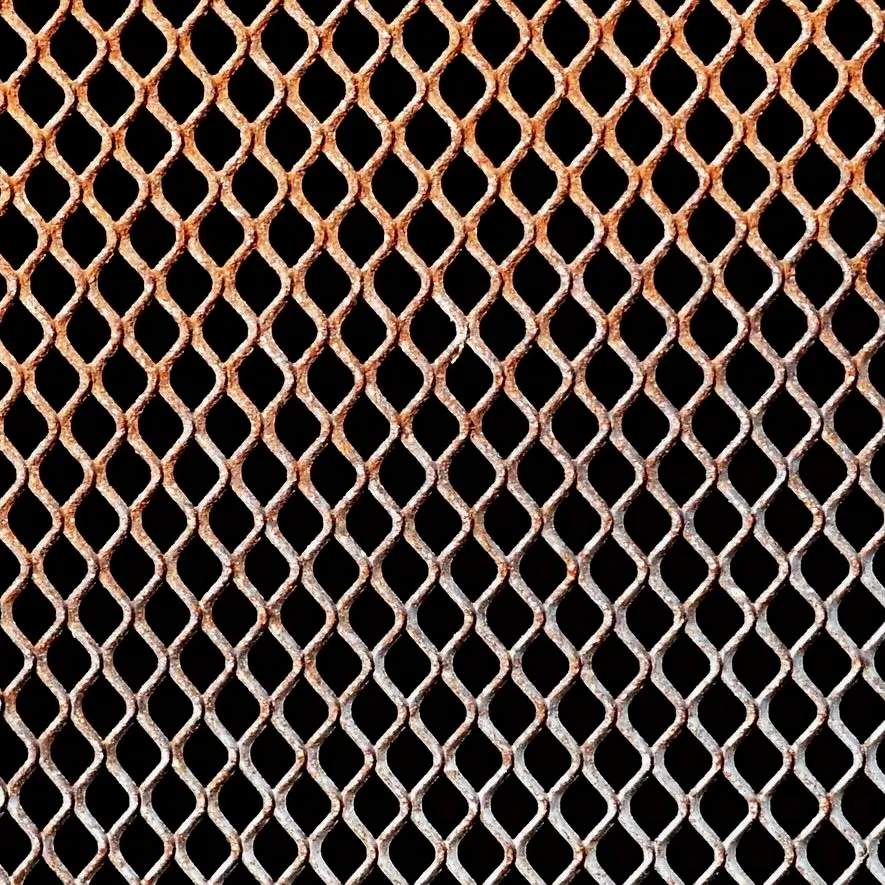
Prevent infestations by eliminating food and shelter. Secure trash bins with tight-fitting lids, fix leaky pipes to reduce water sources, and store firewood away from structures. Regularly inspect basements and attics for entry points. Use rodent-proof materials like metal mesh for long-term exclusion.

Effective Rodent Management

Use snap traps for immediate control. Bait stations with rodenticides should be handled by professionals to avoid accidental poisoning. For severe infestations, hire licensed exterminators to implement integrated pest management (IPM) strategies, including exclusion and sanitation.

Common Questions about Mice & Rats

See below to learn more about Mice and Rats in Ontario, including available treatment options and prevention.

House mice, Norway rats, and occasionally roof rats. Deer mice are rare but may enter rural-adjacent areas.

Look for droppings, gnaw marks, grey or black greasy rub marks on walls, or unexplained noises at night. A musky odor may indicate nesting.

Food scraps, unsecured trash, pet food, and water sources like leaky faucets. Clutter and overgrown yards provide hiding spots.

Yes. Rodents seek warmth indoors during colder months. They remain active year-round, breeding rapidly in sheltered environments.

Yes.. Professionals address entry points, nesting sites, and sanitation issues. DIY methods often fail to eliminate entire colonies.

Do you want to know more?

Lorem ipsum dolor sit amet consectetur. At sagittis neque sed lectus mauris. Mollis nunc sapien sit tellus feugiat sagittis condimentum. Mauris leo gravida massa iaculis.

Termites

Termites are subterranean insects that cause property damage by eating the wood inside of your home.

Wasps

Wasps are seasonal, flying, and fast moving insects, with the ability to sting repeatedly.

Mice & Rats

Well suited rodents for urban environments, mice and rats are known to spread disease if left untreated.

Spiders

Wildly misunderstood, spiders commonly feed on the numerous other insects that like to infest your home.

Bed Bugs

Bed Bugs are an infamous anxiety inducing pest, but treatable and a problem that can be solved.

Cockroaches

Incredibly hardy insects, cockroaches can be found in the cleanest of conditions due to their adaptability.

Fleas

Troublesome insects, their need to feed on blood makes them a hard to deal with nuisance.

Carpet Beetles

Carpet beetles are prolific fabric and grain eaters. Their larvae are destructive and cause allergic reactions.

Ants

Found all year round, ants come in a wide variety of species and also pose a variety of threats.